


The Right Mortgage Starts With the Right Conversation.

Whether you’re buying your first home, renewing, refinancing, or simply exploring your options, I’m here to help you understand your choices, not pressure you into one.

More Than a Mortgage Agent.

Someone You Can Count On.

Buying a home isn’t just about numbers. It’s about building a future.

Growing up, I watched my dad help families find places they were proud to call home. Seeing the excitement, emotions, and life-changing moments that came with every transaction inspired me to become part of that journey, not as a real estate agent, but as someone who could help people navigate one of the biggest financial decisions of their lives.

Today, as a licensed Mortgage Agent, my mission is simple:

To make mortgages easier to understand. To replace uncertainty with confidence and to help every client make informed decisions that truly fit their goals, not just today, but years from now.

Whether you’re buying your very first home, refinancing, renewing, or simply wondering what your options are, I’m here to guide you every step of the way.

“No question is ever too small. If it’s important to you, it’s important to me.”

Mortgage Solutions Designed Around Your Goals

Instead of trying to fit your situation into one mortgage, we’ll find the mortgage that fits your life.

Here's How We'll Work Together

Buying a home shouldn’t feel overwhelming. Here’s what working together looks like.

Step 1 — Book a Discovery Call

We’ll start with a conversation about your goals, timeline, and financial situation.

Step 2 — Understand Your Options

I’ll compare mortgage solutions from multiple lenders and explain every option in plain language.

Step 3 — Choose With Confidence

Together we’ll find the mortgage that’s right for your goals—not just the lowest advertised rate.

Step 4 — Application & Approval

I’ll guide you through every document, update, and milestone until your mortgage is approved.

Step 5 — Support Beyond Closing

Even after you’ve moved in, I’ll be here for renewals, refinancing, future purchases, and any mortgage questions you have along the way.

Your estimated mortgage payment

$0.00 Monthly
Mortgage amount $0.00
Interest rate 5.00%
Amortization 25 years
Frequency Monthly
Estimated total payments $0.00
Estimated total interest $0.00
Estimated payoff date —
Principal after five years $0.00

This calculator provides estimates for illustration purposes only. It does not constitute mortgage approval, financial advice, or a commitment to lend. Actual rates, qualification requirements, fees and payments may vary.

Mortgage amount equals the purchase price minus the down payment.

More Lenders Mean More Ways to Find the Right Fit

Your mortgage needs may not fit neatly into one bank’s lending guidelines. Working with a mortgage agent provides access to a broader network of lenders, which may include major banks, credit unions, monoline lenders and alternative lenders. That means we can look beyond a single institution and focus on finding a solution that works for your financial circumstances and future goals.
Why Work With Me

A Mortgage Experience Built Around You

You deserve more than a rate quote. You deserve clear advice, thoughtful guidance and a mortgage strategy that reflects where you are—and where you want to go.

Let’s Talk Mortgages
01

Your Goals Come First

Before discussing rates or mortgage products, I take the time to understand your plans, concerns and what you are trying to achieve.

02

Your Options Will Be Clear

I explain the mortgage beyond the monthly payment, including its features, conditions, flexibility and potential costs.

03

You Will Never Feel Rushed

Important financial decisions deserve thoughtful conversations, honest answers and enough space to ask questions.

04

Support That Continues

I remain available throughout the application, approval and closing process—and beyond your mortgage completion.

05

A Strategy Built for You

Your mortgage recommendations will reflect your financial circumstances, priorities and future plans—not a generic template.

Supported by BRX Mortgage

Mortgages with Bhor is proudly associated with BRX Mortgage, giving clients access to an established brokerage network, lender relationships and professional mortgage resources.

You receive personal, one-on-one guidance from me, supported by the experience and infrastructure of a licensed Canadian mortgage brokerage.

Frequently Asked Questions

The maximum amount a lender may approve is based on qualification rules, including your income, debts, credit profile and housing costs. That number is not always the same as what will feel comfortable in your monthly budget.

A good mortgage strategy should consider both qualification and lifestyle. I can help you look at your expected payments, property taxes, utilities, other debts and financial goals so you can choose a purchase range that feels sustainable.

A pre-approval is not a final mortgage approval. Your financing can still be affected by changes such as taking on new debt, changing jobs, missing payments, increasing credit-card balances or having the property itself fail to meet lender requirements.

It is important to keep your financial situation as stable as possible between pre-approval and closing and to speak with your mortgage professional before making any major financial changes.

Not necessarily. Different lenders have different qualification guidelines, risk tolerances and ways of reviewing income, credit and property types. A decline from one lender may simply mean your situation does not fit that lender’s criteria. Depending on your circumstances, there may be options through another bank, credit union, monoline lender or alternative lender.
Self-employed borrowers can absolutely qualify for mortgages, but lenders may review income differently than they would for a salaried employee. Depending on your situation, they may look at tax returns, Notices of Assessment, financial statements, business ownership, bank statements and the length of time you have been self-employed. The key is presenting your income and documentation clearly and choosing a lender whose guidelines fit your circumstances.

Changes to your income, employment, debts or credit can affect a mortgage approval before closing.

For example, financing a new vehicle, opening new credit accounts or changing employment could change your debt ratios or overall qualification.

It is best to speak with your mortgage professional before making significant financial changes until your mortgage has fully closed.

In some situations, yes.

Certain lenders have mortgage programs designed for newcomers and may consider factors such as employment, down payment, residency status, international credit history and other supporting documentation.

Eligibility depends on the lender and your individual circumstances, so it is helpful to review your situation early before beginning your home search.


A renewal generally continues your existing mortgage into a new term, while refinancing changes the structure of your financing.

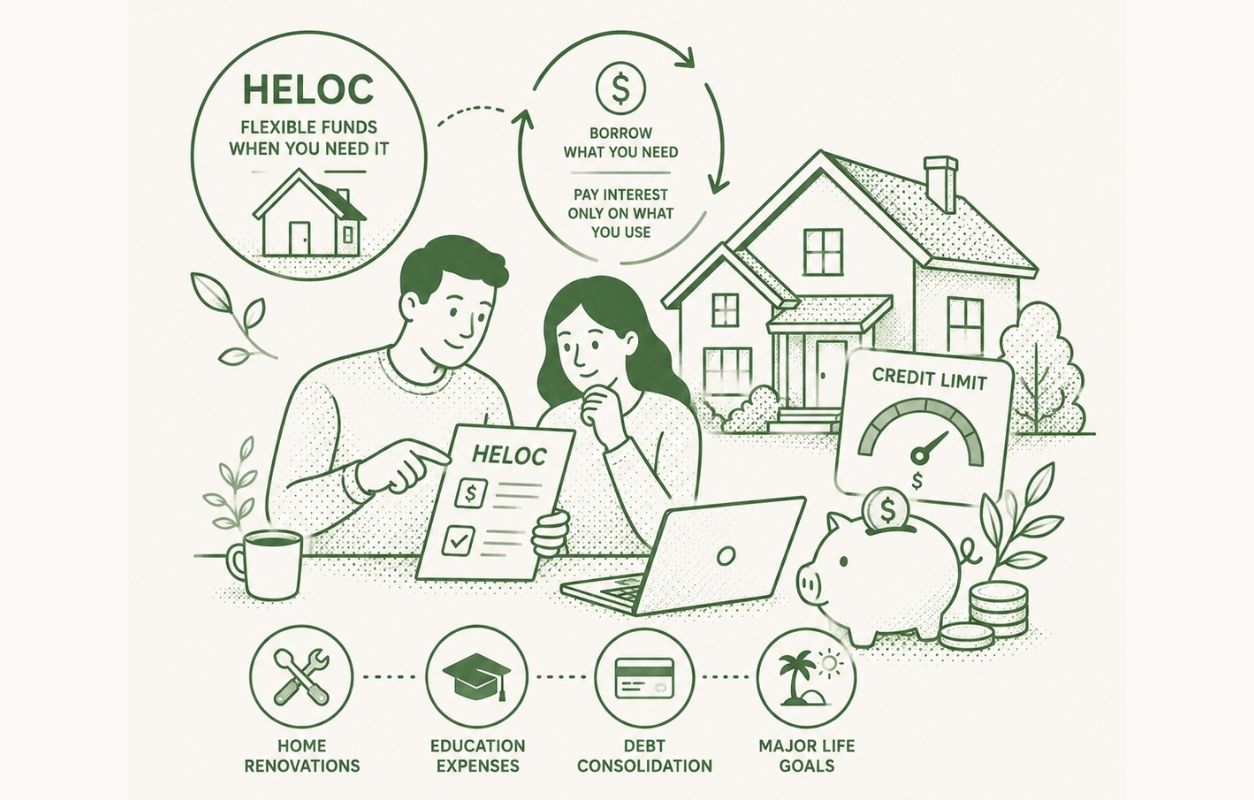
Refinancing may be worth considering if you want to access home equity, consolidate higher-interest debt, fund renovations, adjust your mortgage structure or potentially improve your overall financial position.

Because refinancing can involve penalties, legal fees and new qualification requirements, the costs and benefits should always be reviewed carefully first.

The interest rate is important, but it is only one part of the mortgage.

You should also consider prepayment privileges, penalty calculations, portability, restrictions, payment flexibility, refinancing options and the lender’s policies if your circumstances change.

A slightly lower rate can sometimes come with restrictions that make the mortgage more expensive or less flexible later.

Mortgage penalties can vary significantly depending on the lender, mortgage type and how the penalty is calculated.

For example, breaking a fixed-rate mortgage may involve an interest-rate-differential calculation, while variable-rate mortgages often use a different formula.

Understanding penalty rules matters because your plans may change during the mortgage term. A mortgage with a competitive rate but a costly penalty structure may not always be the best fit.

Yes, in many cases a financial gift from an eligible family member can be used toward a down payment.

Lenders will usually require documentation confirming that the funds are a genuine gift and do not need to be repaid. They may also ask to see the transfer of funds and supporting bank statements.

The exact requirements vary by lender and mortgage program.

Variable income can often be included in mortgage qualification, but lenders usually want to see that it is consistent and supported by documentation.

They may review your income over a two-year period using tax documents, employment letters, pay statements or other records.

The way this income is calculated can vary between lenders, which is another reason lender selection can be important.

Ideally, start reviewing your mortgage several months before your renewal date.

That gives you time to compare your current lender’s offer with other options, review your financial goals and make changes if necessary.

Starting early can also reduce the pressure of having to make a quick decision close to the renewal deadline.

Blogs & Articles